Test Results

Results Of Tests And Investigations

The results of your laboratory tests, i.e. bloods, urines, x-rays etc, are available each day by telephoning the surgery on 028816 71211 between 14:00 - 16:00. Most results are available the next day so please do not delay in contacting us. Cervical cytology (smear) results can take up to 6 weeks to return.

All patient records on file or in the computer are confidential. In order to maintain confidentiality, laboratory results and x-ray results will only be given to patients themselves or to parents of minor where appropriate. 

It is the patients own responsibility to ring for test results. Patients with any abnormal medical test result requiring further investigations, treatment or discussion with the doctor, will be contacted directly by the practice staff either to make an appointment or have a telephone consultation with the doctor / nurse (as appropriate).
a close up of a device

Specimens

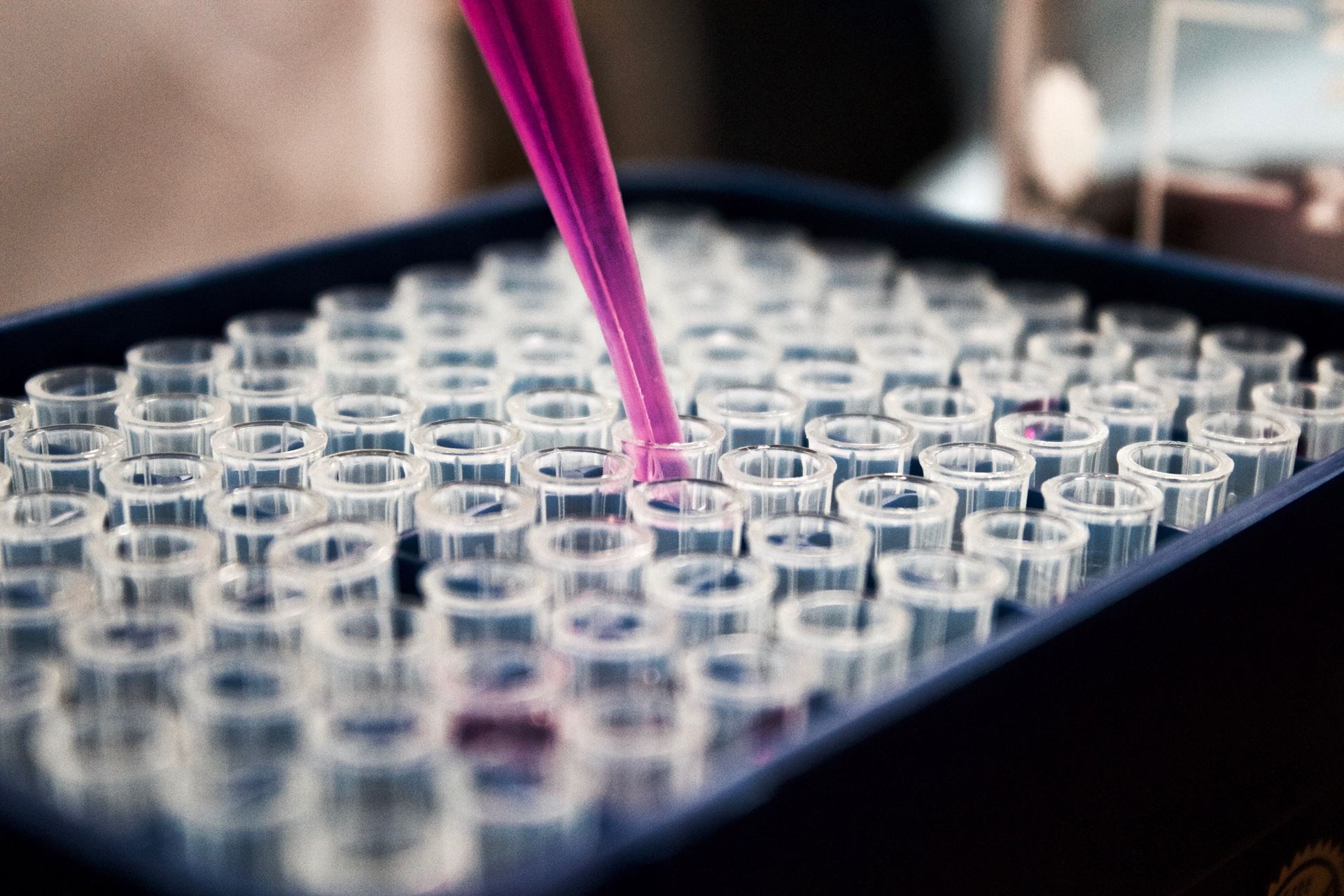
We have a daily service to the hospital laboratory and all specimens are collected at 13:00. Please ensure that specimens are clearly labelled with your name and date of birth and place them in the flap in the treatment room door.  

Blood Tests

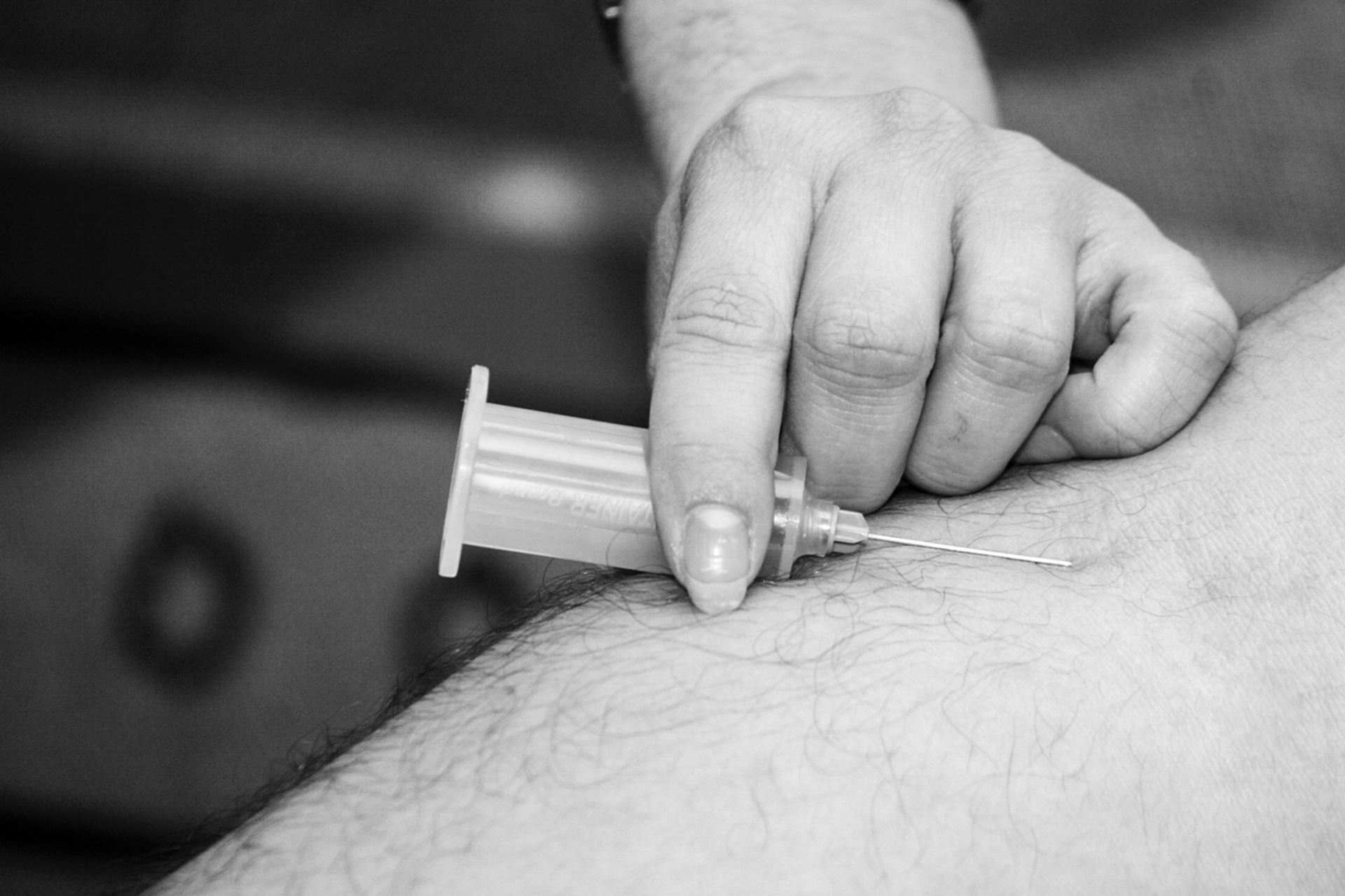
A blood test is when a sample of blood is taken for testing in a laboratory. Blood tests have a wide range of uses and are one of the most common types of medical test. For example, a blood test can be used to:

  • assess your general state of health
  • confirm the presence of a bacterial or viral infection
  • see how well certain organs, such as the liver and kidneys, are functioning

A blood test usually involves the phlebotomist taking a blood sample from a blood vessel in your arm and the usual place for a sample is the inside of the elbow or wrist, where the veins are relatively close to the surface. Blood samples from children are most commonly taken from the back of the hand. The childs hand will be anaesthetised (numbed) with a special cream before the sample is taken.


X-Rays

An X-ray is a widely used diagnostic test to examine the inside of the body. X-rays are a very effective way of detecting problems with bones, such as fractures. They can also often identify problems with soft tissue, such as pneumonia or breast cancer.

If you have an X-ray, you will be asked to lie on a table or stand against a surface so that the part of your body being X-rayed is between the X-ray tube and the photographic plate.

An X-ray is usually carried out by a radiographer, a healthcare professional who specialises in using imaging technology, such as X-rays and ultrasound scanners.

Page last reviewed: 27 April 2026
Page created: 25 March 2026